


7 Independent Living Facilities in Chelsea, MI
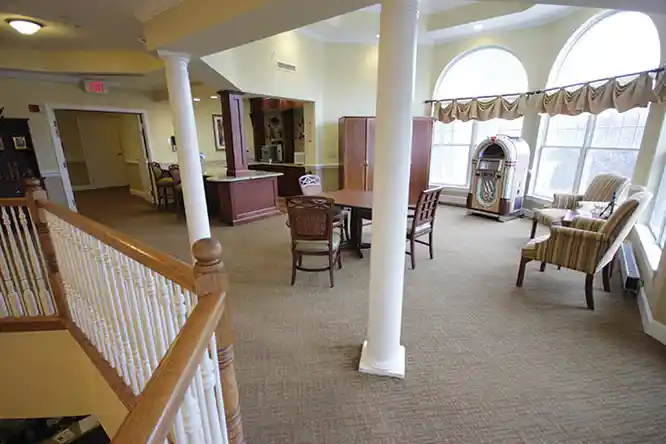
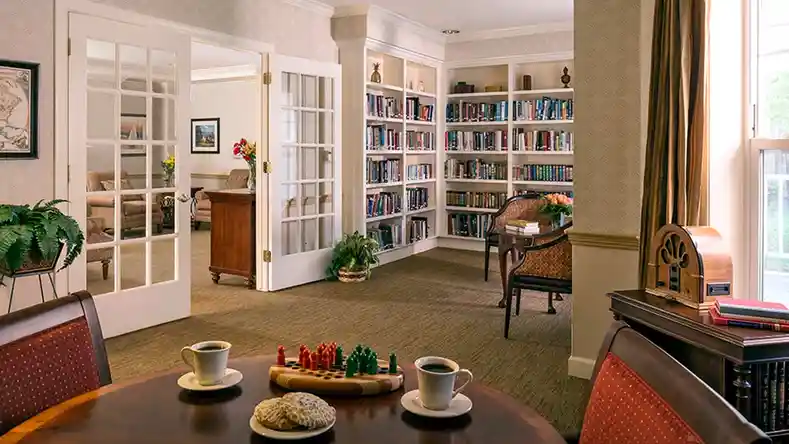
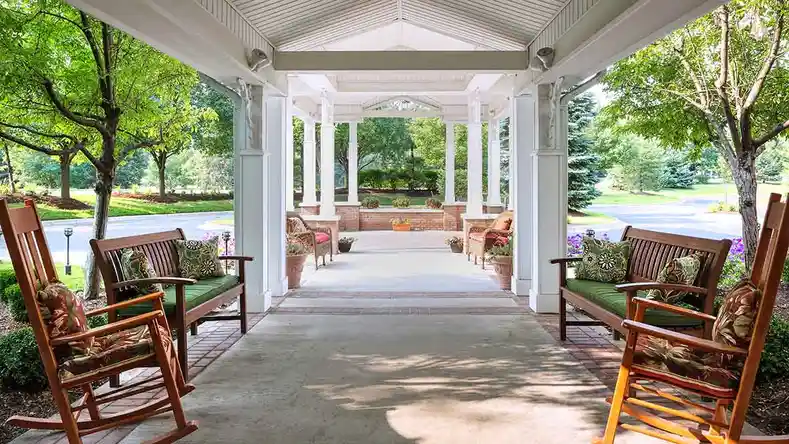
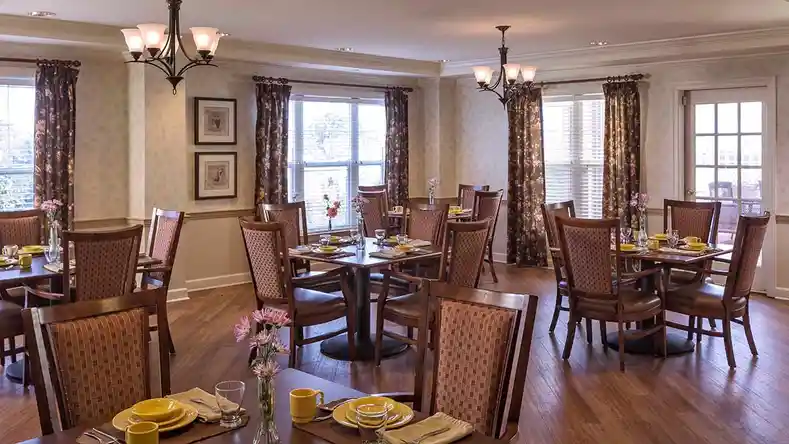
The independent-living program offers seniors comfort while preserving their independence. Seniors who don’t need help in activities of daily living (ADLs), and like to participate in social activities, can benefit from an independent living community. Meals, housekeeping, laundry, and enjoyable activities are usually provided to seniors in an independent living complex. The community care professionals and staff can aid with transportation, cleaning, and medication management on request.
Complete Guide to Independent Living
There are 7 independent living communities in the Chelsea area. If you’re looking for right independent living in Chelsea, our local senior advisors can help you every step of the way. From affordable choices for seniors to luxury options, we’ll work with you to understand the cost of independent living in Chelsea. Then we’ll show you the best independent living communities suitable for your lifestyle, interests, and budget in Chelsea.
Explore our listings to compare the amenities, floor plans, and services available at each residence. To speak with one of our Family Advisors about independent living options and costs in Chelsea, call +(877) 409-0666 or get in touch through info@boomershub.com.
You may also take into consideration Independent Living facilities in nearby cities like: Ann Arbor, Brighton, Saline, Howell.
See The Best Independent Living Facilities around Chelsea

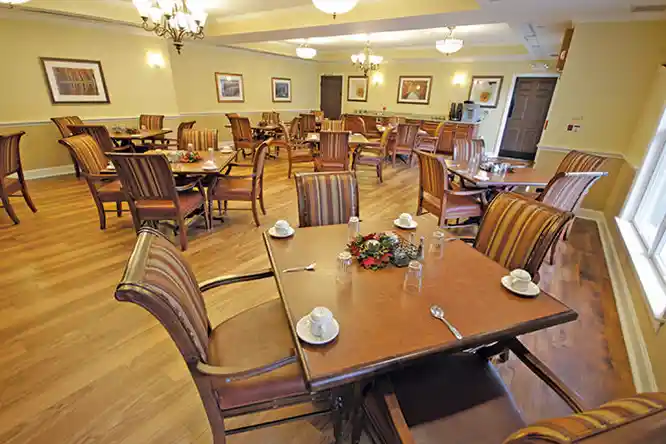
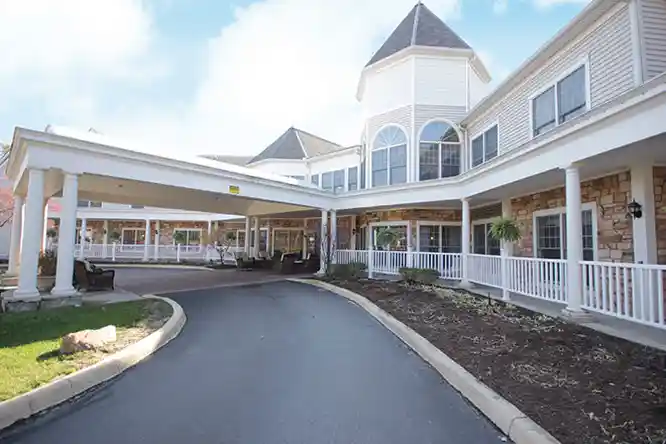
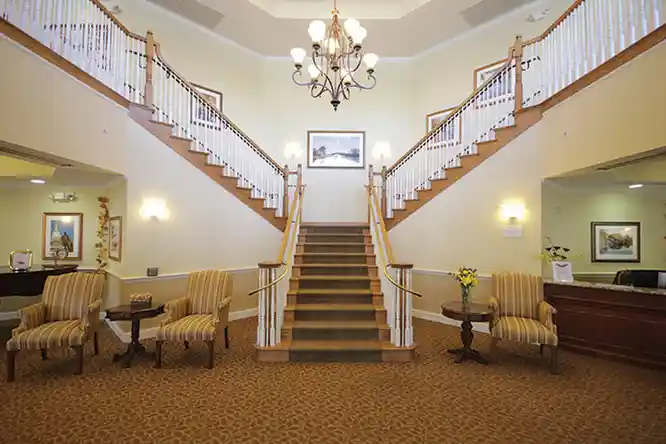
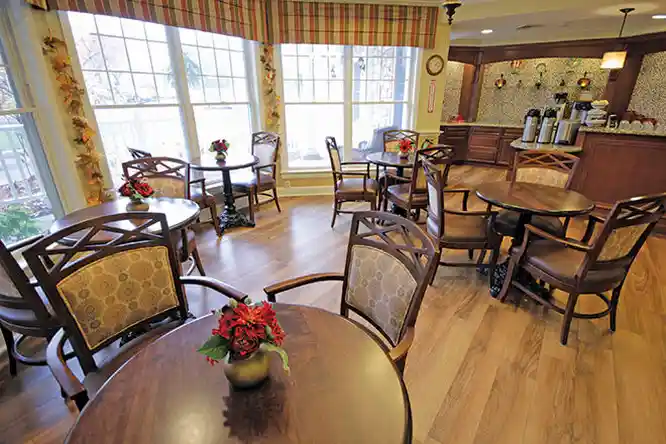

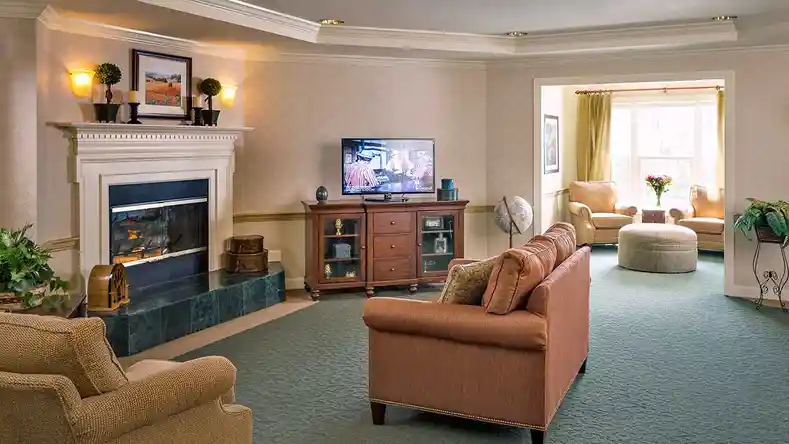
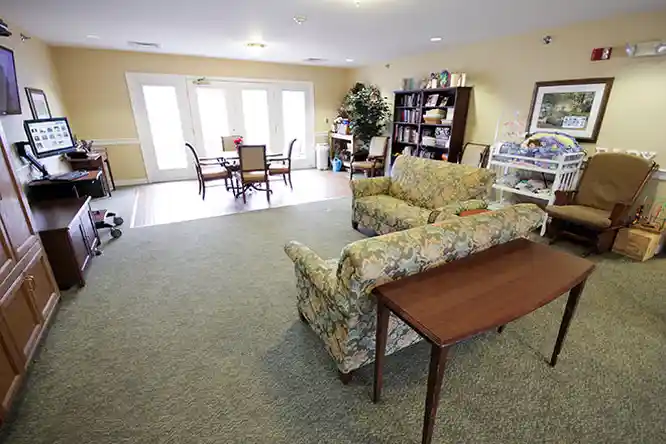

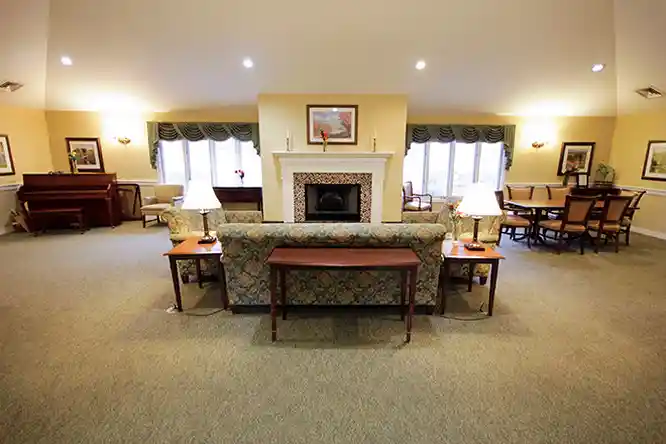
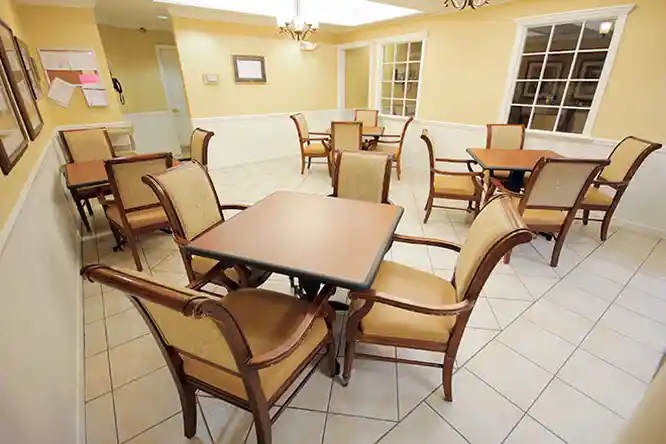
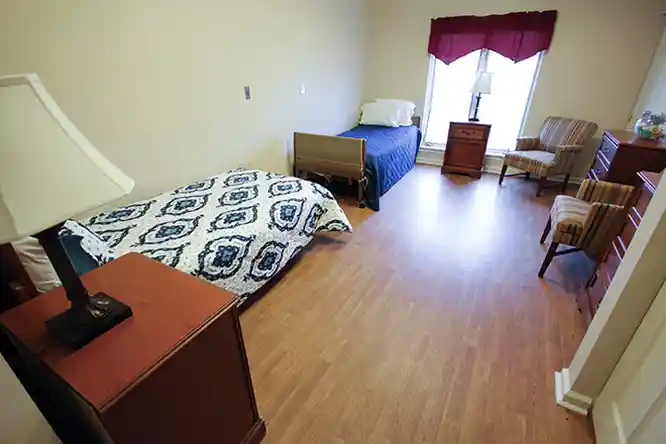
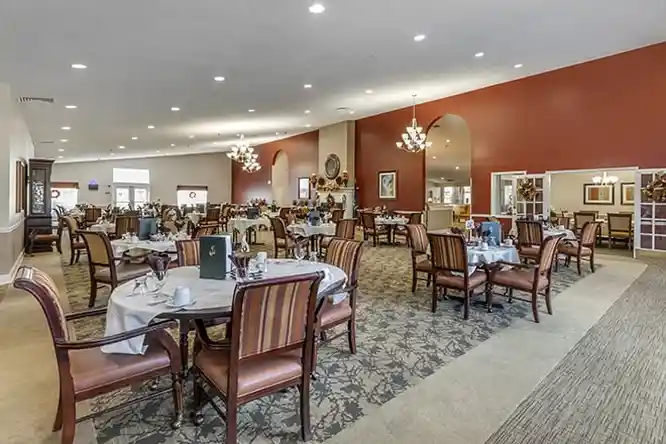
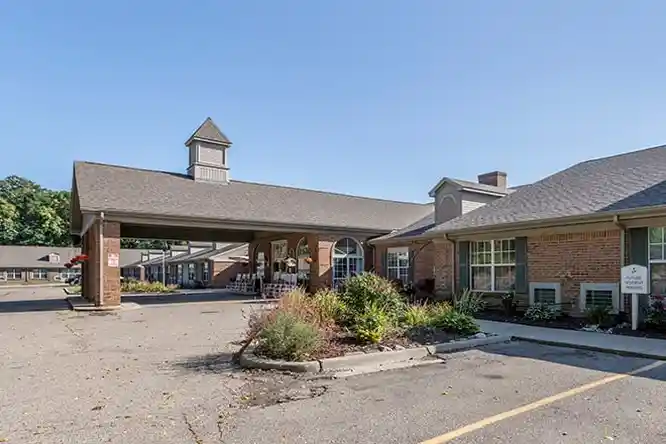
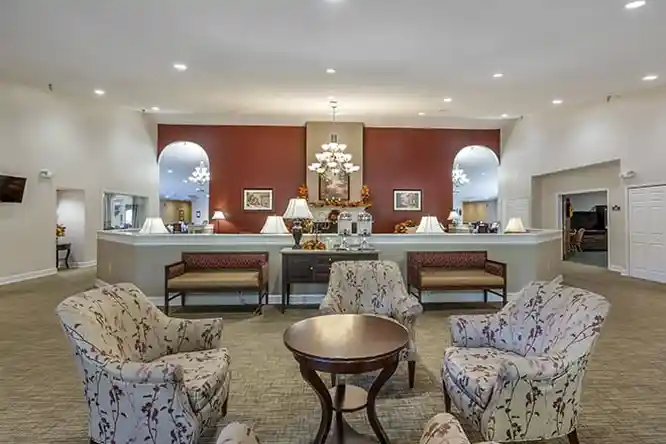


Cost of Independent Living in Chelsea, MI
The annual cost of independent living communities across the USA can range from $12,000 to $42,000. The cost variations depend on the amenities, home size, and cost of living in the area. The average cost of senior independent living in Chelsea is $3787 per month, which is 7% than the Michigan average of $3053. And if compared to the national monthly average of $2795, Chelsea retirement community cost is 4,071
![weather in [[city]]](https://dsycmkw0fbubc.cloudfront.net/content-assets/weather_569d30cb8e.webp)
Weather and Climate in Chelsea
Seasonal Temperatures: Chelsea has a typical summer high of 82°F and a winter low of 15°F. And the yearly rainfall here is about 34 inches, while the snowfall is around 40 inch(es) on average.
Air Quality: The Average air quality index rating is usually 61, which is higher than the national average of 58.The index rating at or below 100 is considered satisfactory.
Hospital Services in Chelsea for Elderly People
The health index of 86 indicates resourceful quality of healthcare services available for seniors, This index is similar than the state average of 86. The Chelsea hospitals cater their services to meet treatment requirements of seniors and people of all ages. Therefore, you can rest assured of getting the best possible care in Chelsea for any common or chronic health condition.
What Are Alternate to Independent Living Senior Care Options in Chelsea, MI?
Senior citizens in Chelsea have different care options besides independent living, depending on their care level and medical conditions. If you are looking for assisted living in Chelsea, there are various options to choose from. Likewise there are nursing homes in Chelsea, memory care in Chelsea, and home care in Chelsea - all of them are also the options you can look for.
Would you like to get to know more about other care options? Read this article – Independent living alternatives.
Independent Living Financial Assistance for Seniors in Chelsea, MI
Medicare does not immediately cover living in independent living communities. But an individual may demand medical care for a limited period while living there. Medicare may pay for that if the seniors meet the qualifications. Nevertheless, seniors will get typical Medicare payments like doctor’s visits, hospital stays, and others. Eligible seniors in retirement facilities can also use their Medicaid and Veteran benefits. It will help offset some validated medical fees even if independent living employees execute them.
Finance Independent Living with Additional Schemes
Several elderly individuals can use Social Security funds, HUD assistance, Supplemental Security Income (SSI) payments, personal retirement income, or long-term care insurance to cover for independent living expenditures. A different choice for many older adults to finance for their independent living residence is to rent out or sell their residences that they will not use anymore.
Social Security Funds
The social security funds assist elderly individuals pay for retirement services and get disability payments. A certain amount is transferred in social security accounts. You get them paid when you require long-term care after retirement. You can get coverage from 2 types of funds. The first one is the Old-Age Survivors Insurance (OASI), and the second is the Disability Insurance (DI) Trust Fund. You can employ these funds only to finance benefits you receive during old age.
HUD Program
HUD is a program operated by the Department of Housing and Urban Development (HUD). This department creates strategies and regulations to fulfill the housing demands of the USA. The HUD's program helps low-income elderly individuals and their families with mortgage insurance benefits to acquire their houses.
Long-Term Care Insurance (LTCI)
The LTCI policy are provided to older adults receiving long-term care. Seniors can cover the cost for retirement residential services through the LTCI provisions that the typical insurance does not cover. According to the 2020 statistics from the Administration for Community Living, about 70% of older adults over 65 will require LTCI benefits in the future. This includes help with ADLs, costs of chronic health conditions, having a disability, and long-term disorder like dementia.
Would you like to have broader knowledge about independent living financial assistance? Please read this article – How to pay for independent living?
Free consultation with our certified, senior advisors


